









The series of works - Between Worlds
These works are gathered into a notional cycle that represents a state of radical life change linked to the period of adaptation after relocation. Having left my native country and found myself in a new context, there inevitably arose a need to define the position from which I now look at the world and attempt to describe it.
A strange new life.
On December 29, 2022 — taking only the bare essentials and with no plan for what would come next — I left Ukraine. I spent a few months in Warsaw, moving between temporary living spaces. When I finally rented an apartment, it turned out I had received a visa for the UK — and the moving continued.
The euphoria of London was mixed with a strange sense of nomadism. Here too, I changed several flats and studios, so living “out of a suitcase” became a way of existing.
Since my artistic practice is directly connected to my life, I worked with themes of spontaneity, unplanned movement, displacement, and the “closeness” that remained in Ukraine — or was lost forever because of the war.
Over time, it became clear that I, like many others in similar situations, live in a state of being “stuck between worlds.” The war goes on. Our status remains uncertain. We are like bubbles in the air. Nothing can be planned.
A strange new life.
On December 29, 2022 — taking only the bare essentials and with no plan for what would come next — I left Ukraine. I spent a few months in Warsaw, moving between temporary living spaces. When I finally rented an apartment, it turned out I had received a visa for the UK — and the moving continued.
The euphoria of London was mixed with a strange sense of nomadism. Here too, I changed several flats and studios, so living “out of a suitcase” became a way of existing.
Since my artistic practice is directly connected to my life, I worked with themes of spontaneity, unplanned movement, displacement, and the “closeness” that remained in Ukraine — or was lost forever because of the war.
Over time, it became clear that I, like many others in similar situations, live in a state of being “stuck between worlds.” The war goes on. Our status remains uncertain. We are like bubbles in the air. Nothing can be planned.
By “stuck,” I mean: yes, we are here — but for now, this can hardly be called a normal life. And yet we are not there — but the constant stream of news from Ukraine creates the feeling that we are still there. The surreal state of being “somewhere in between,” or even “in both worlds at once.”
A prolonged transit in which the journey itself starts to dissolve reality — like a multi-layered dream where you think you’re waking up, only to find it’s just another layer of sleep. And sometimes you really do wake up, but drift back into a doze because it’s impossible to know when there will be a stop — or where this train is even going.
For now, I make no claims about destinations. All these works aim to do is capture a period of life in a state of “in-between.”
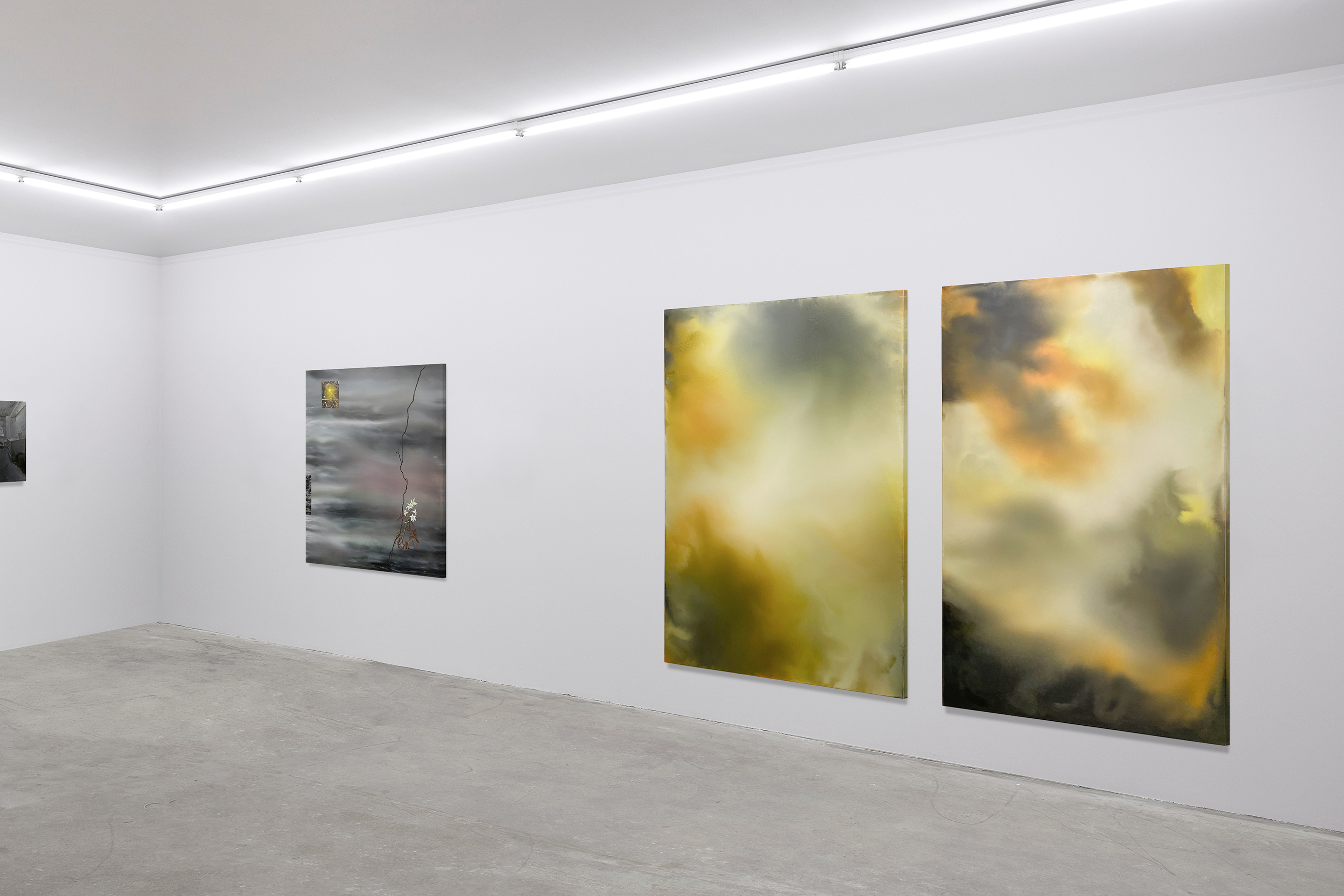
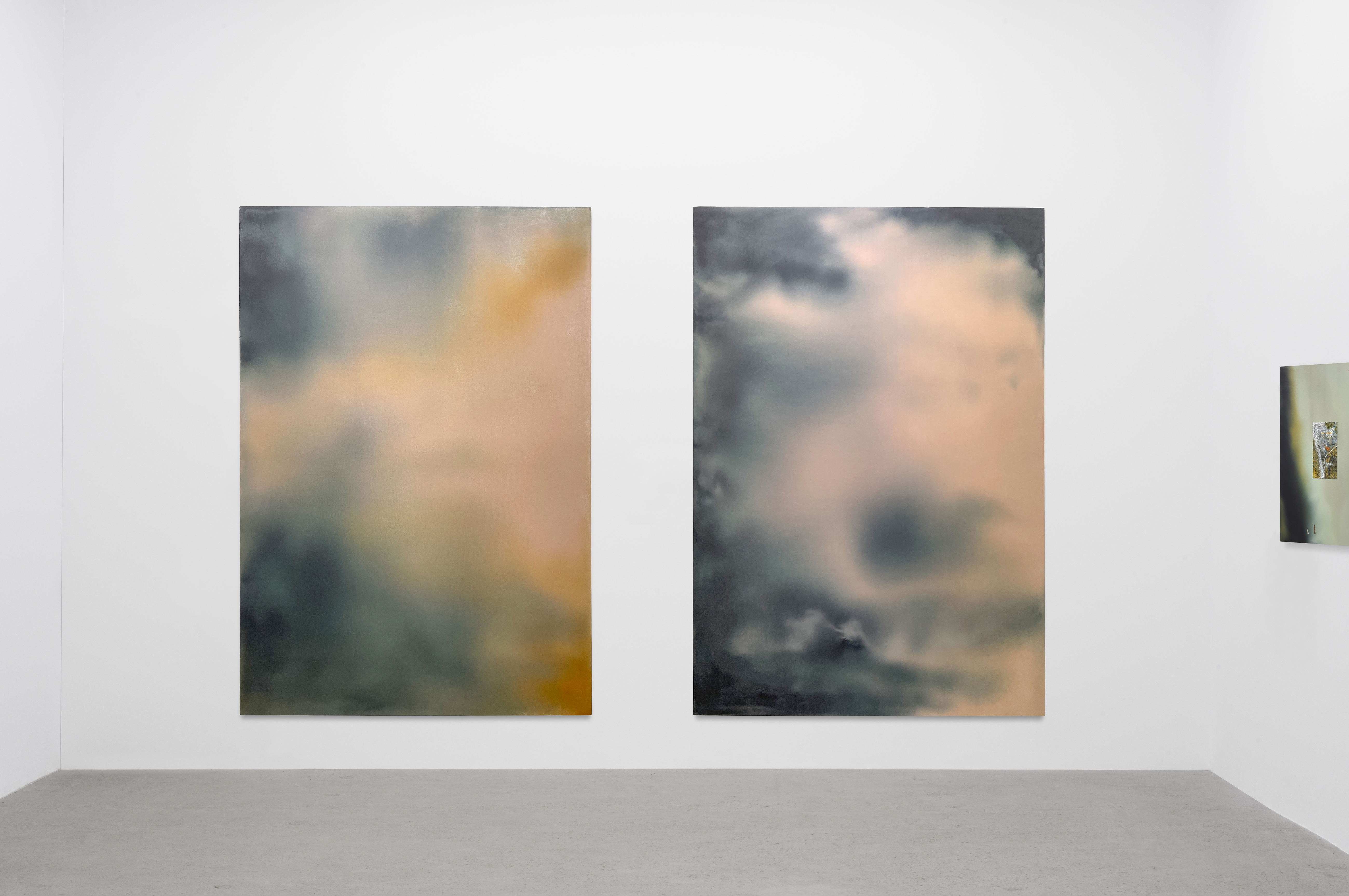
Fragments of a Ukrainian past, details of a London present, and a gaze into an extraordinarily blurred horizon. It’s a good thing painting has the unique ability to contain the past, present, and future — and, to some extent, turn them into a kind of timelessness.
A prolonged transit in which the journey itself starts to dissolve reality — like a multi-layered dream where you think you’re waking up, only to find it’s just another layer of sleep. And sometimes you really do wake up, but drift back into a doze because it’s impossible to know when there will be a stop — or where this train is even going.
For now, I make no claims about destinations. All these works aim to do is capture a period of life in a state of “in-between.”
Fragments of a Ukrainian past, details of a London present, and a gaze into an extraordinarily blurred horizon. It’s a good thing painting has the unique ability to contain the past, present, and future — and, to some extent, turn them into a kind of timelessness.

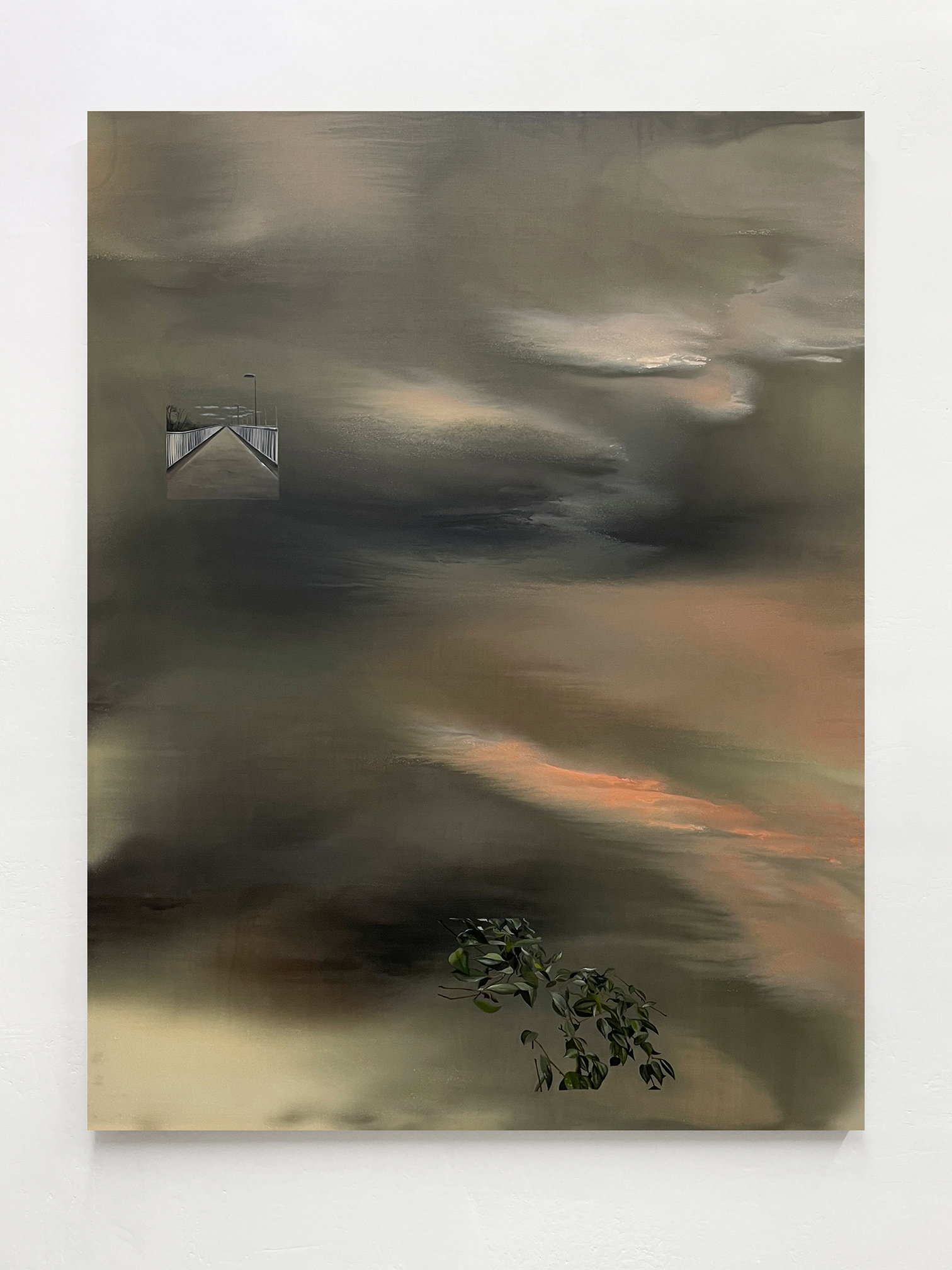


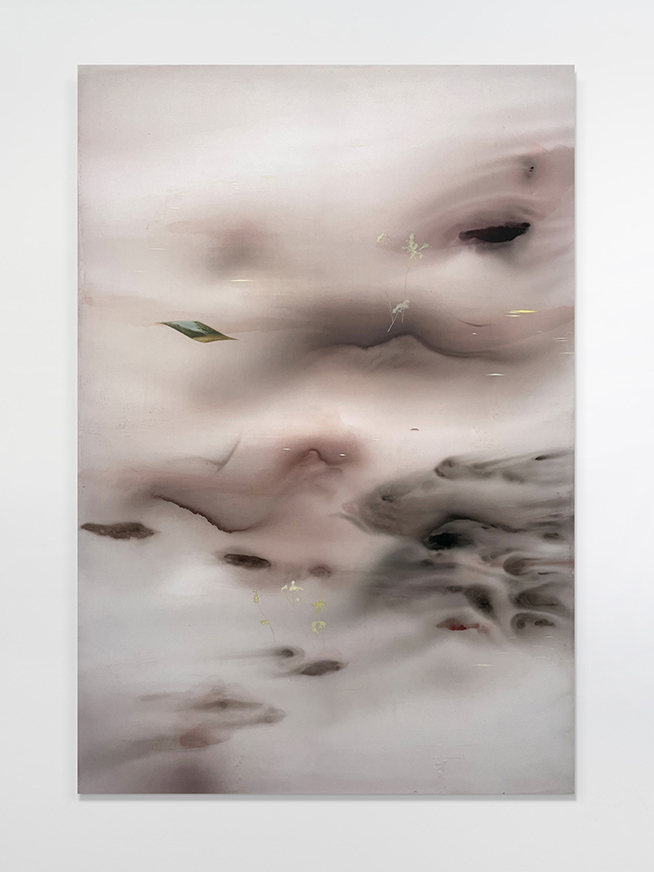
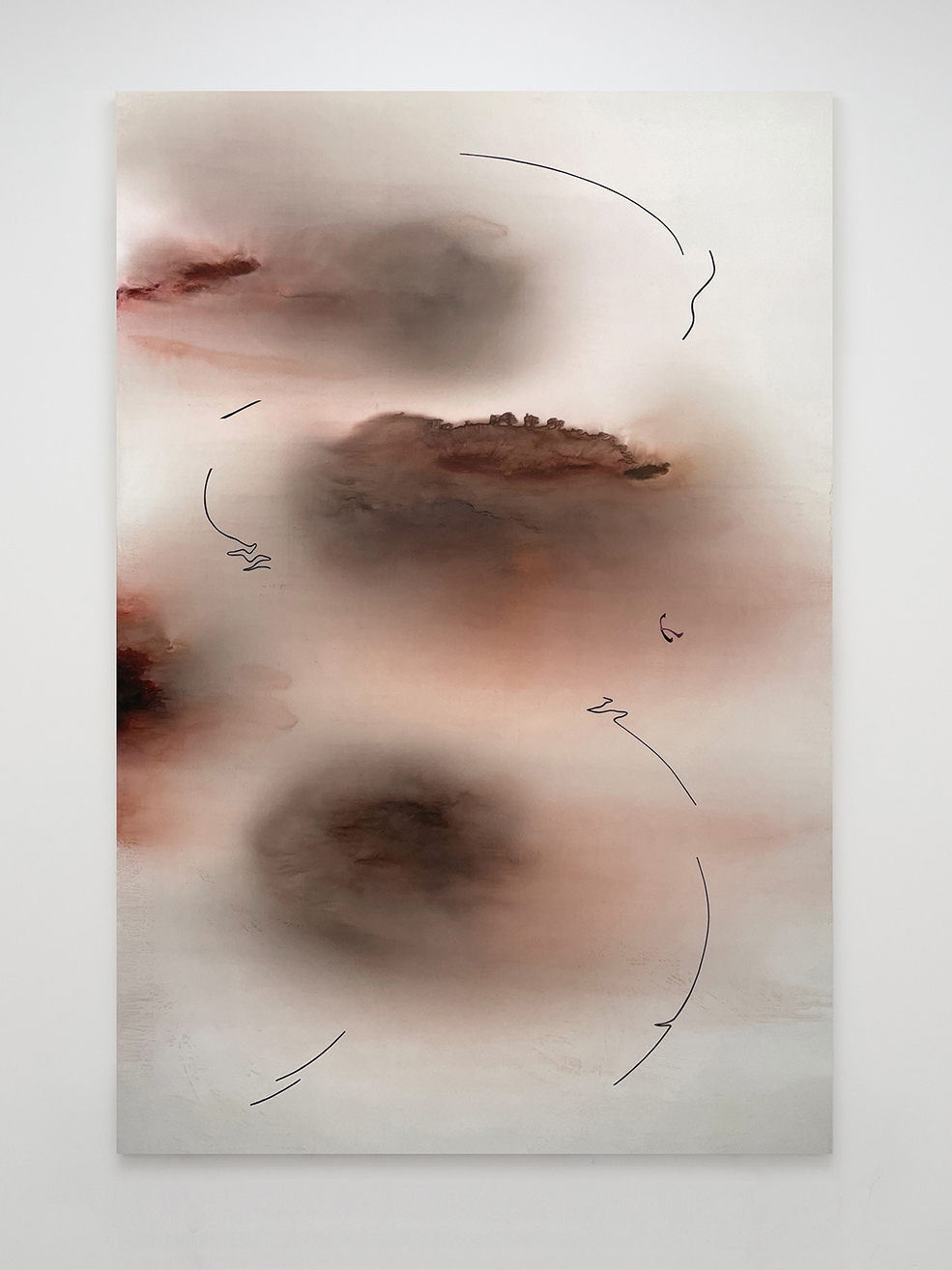


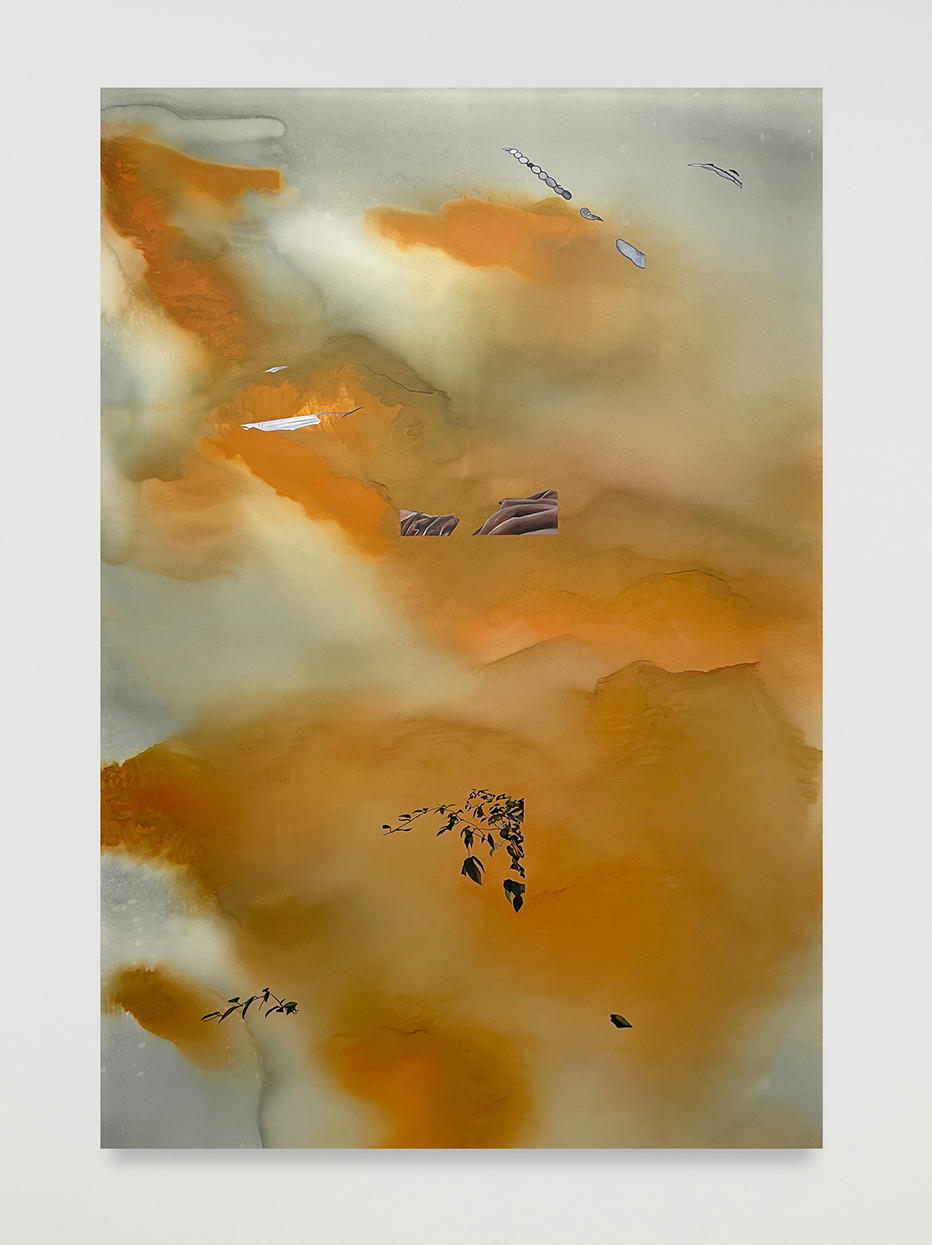
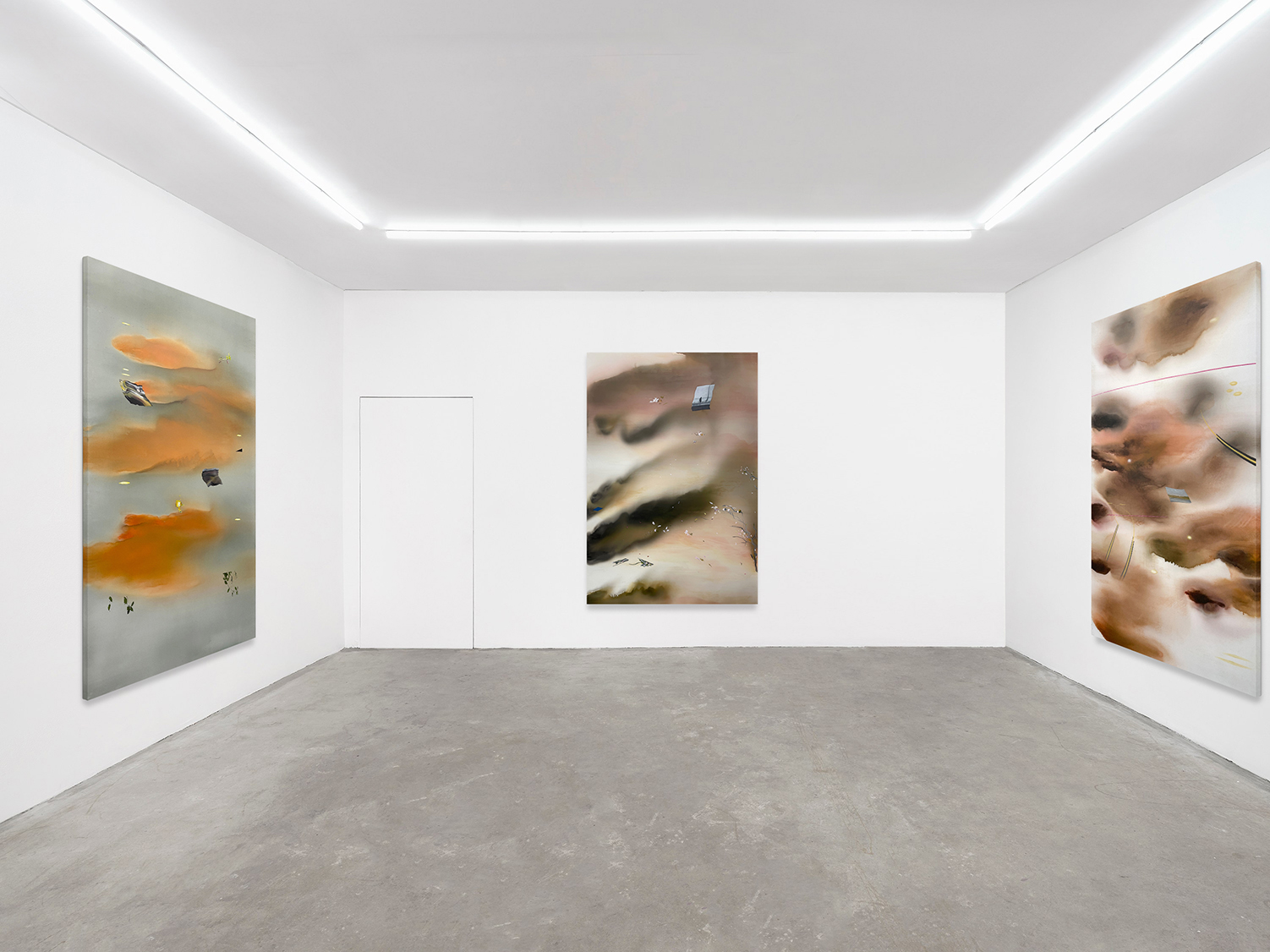
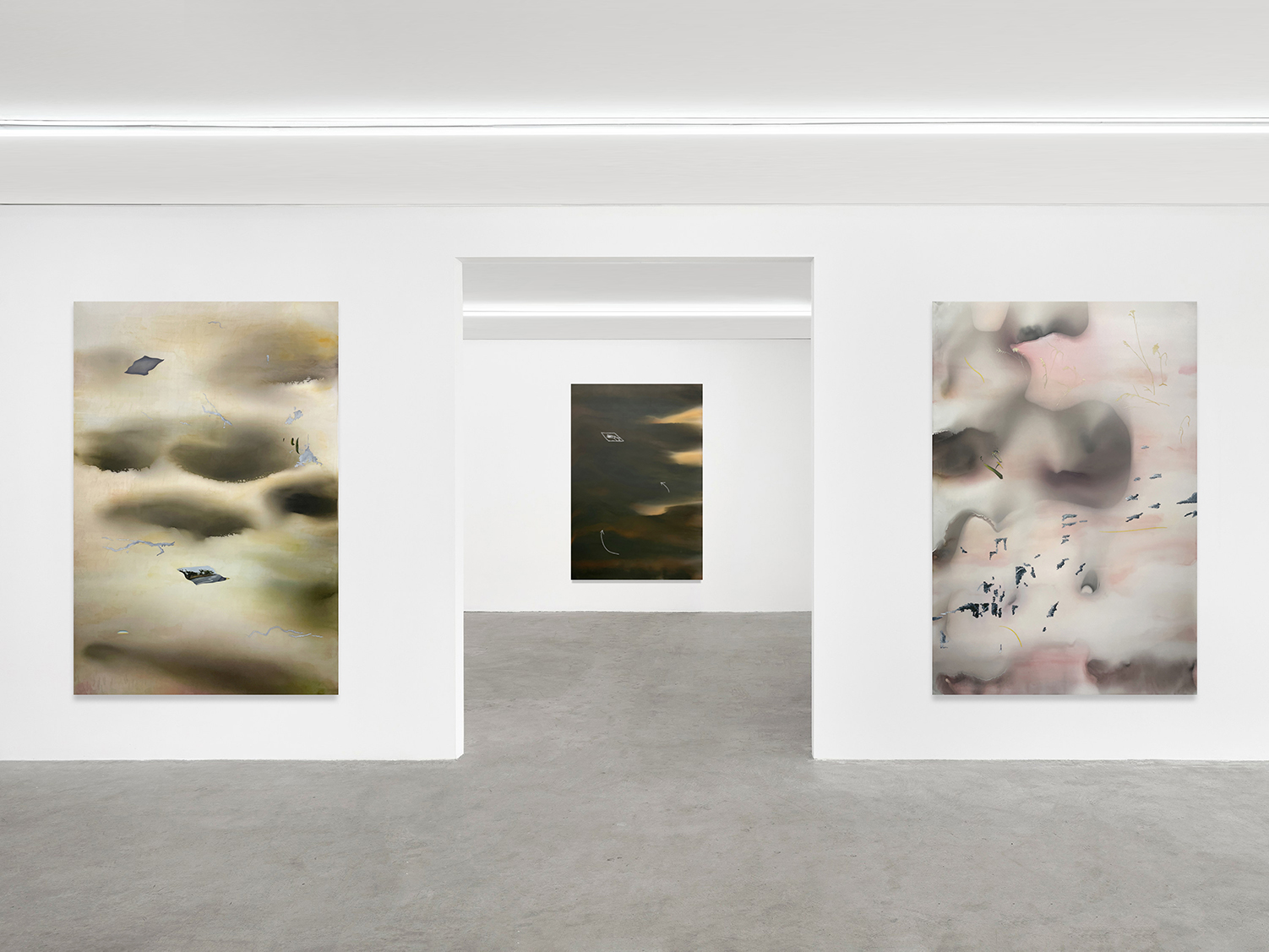
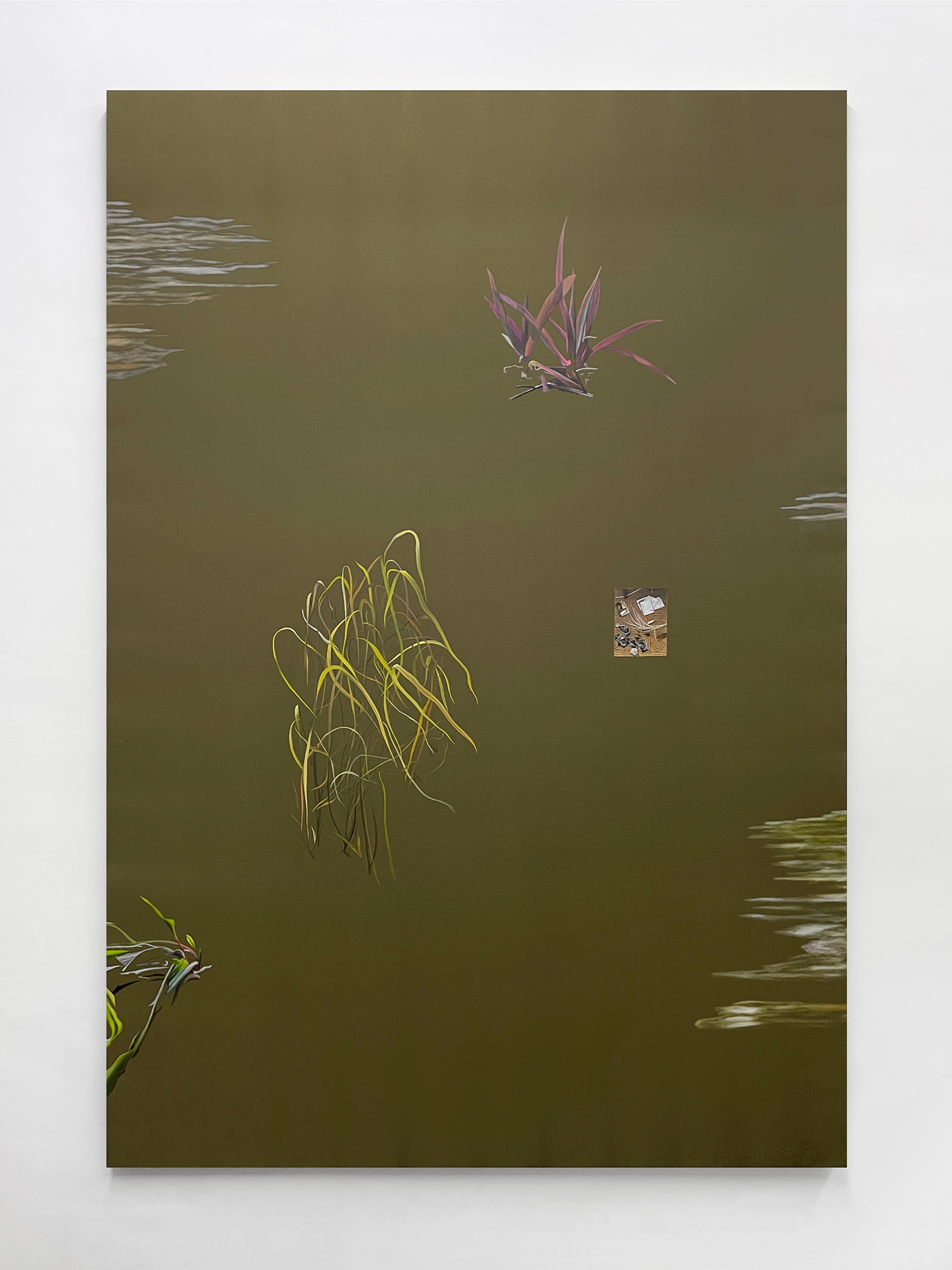
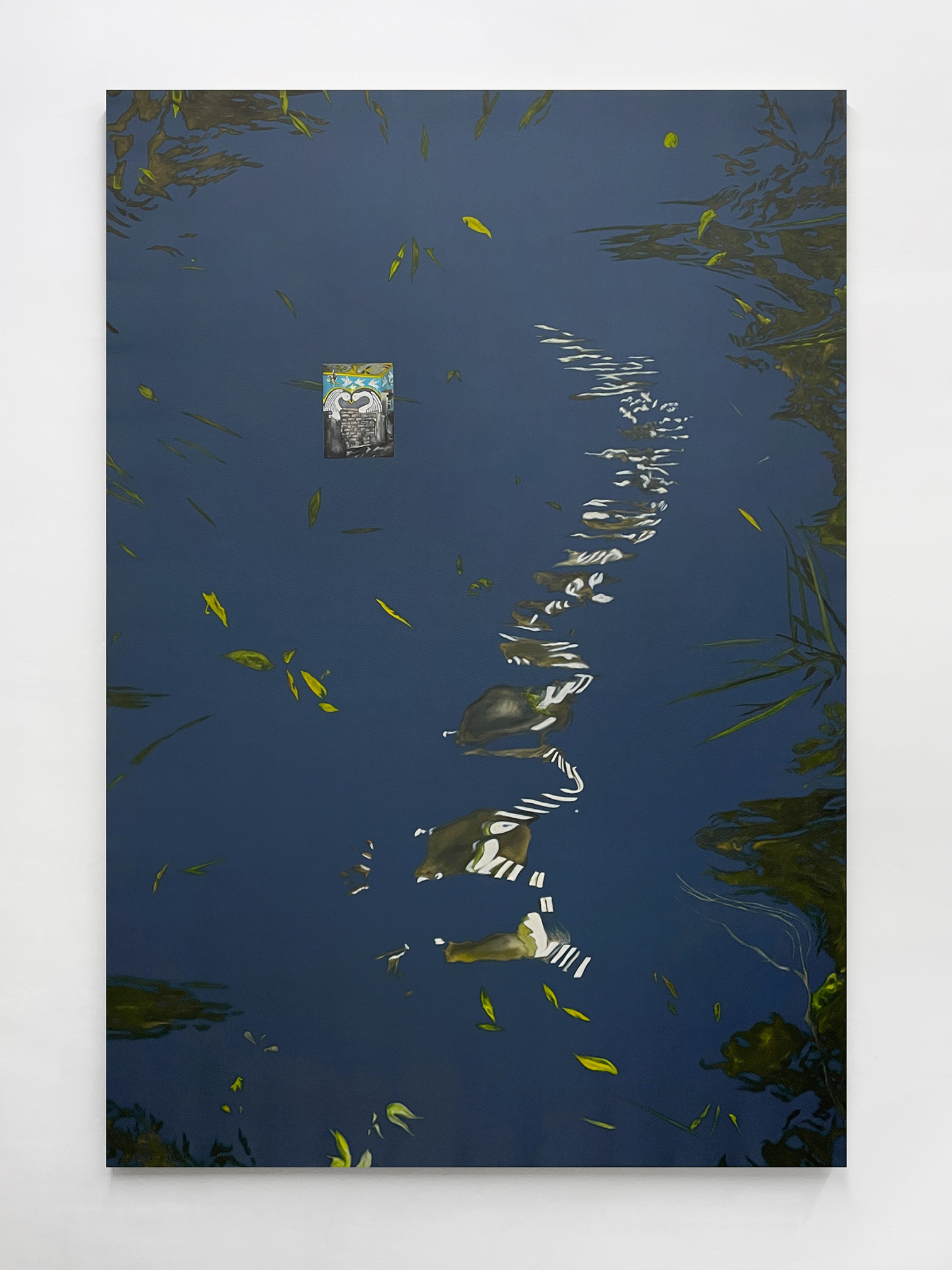

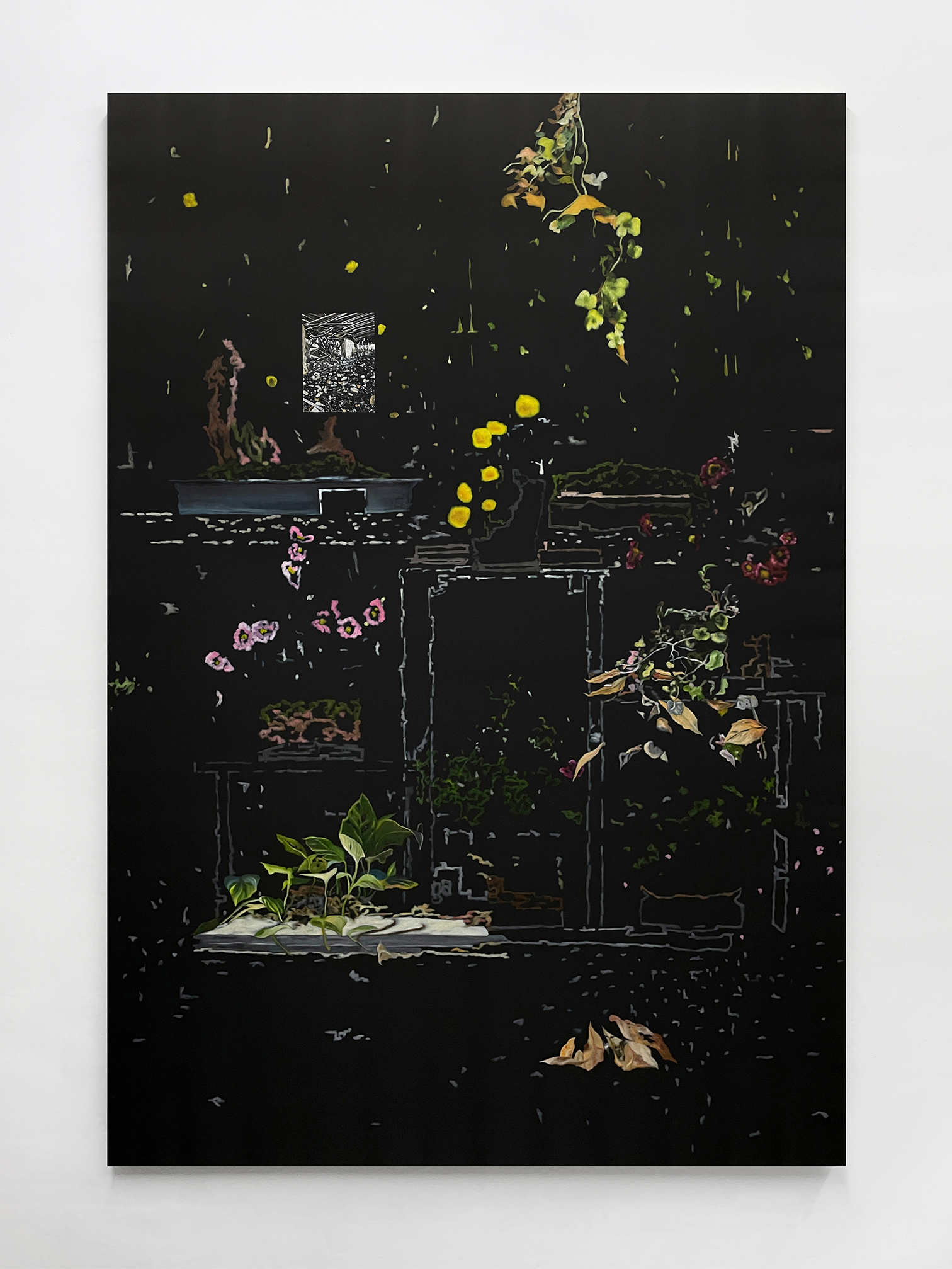
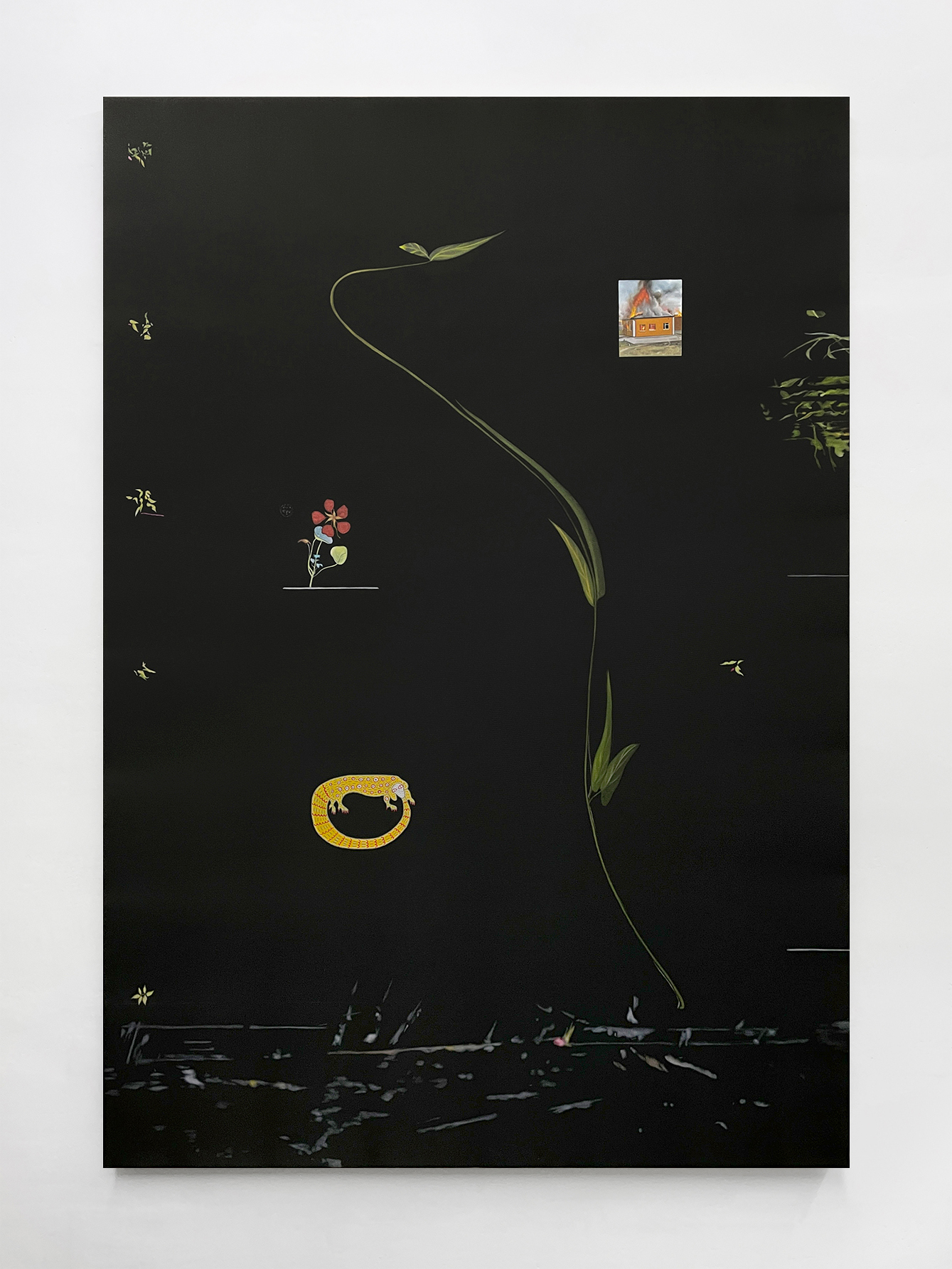

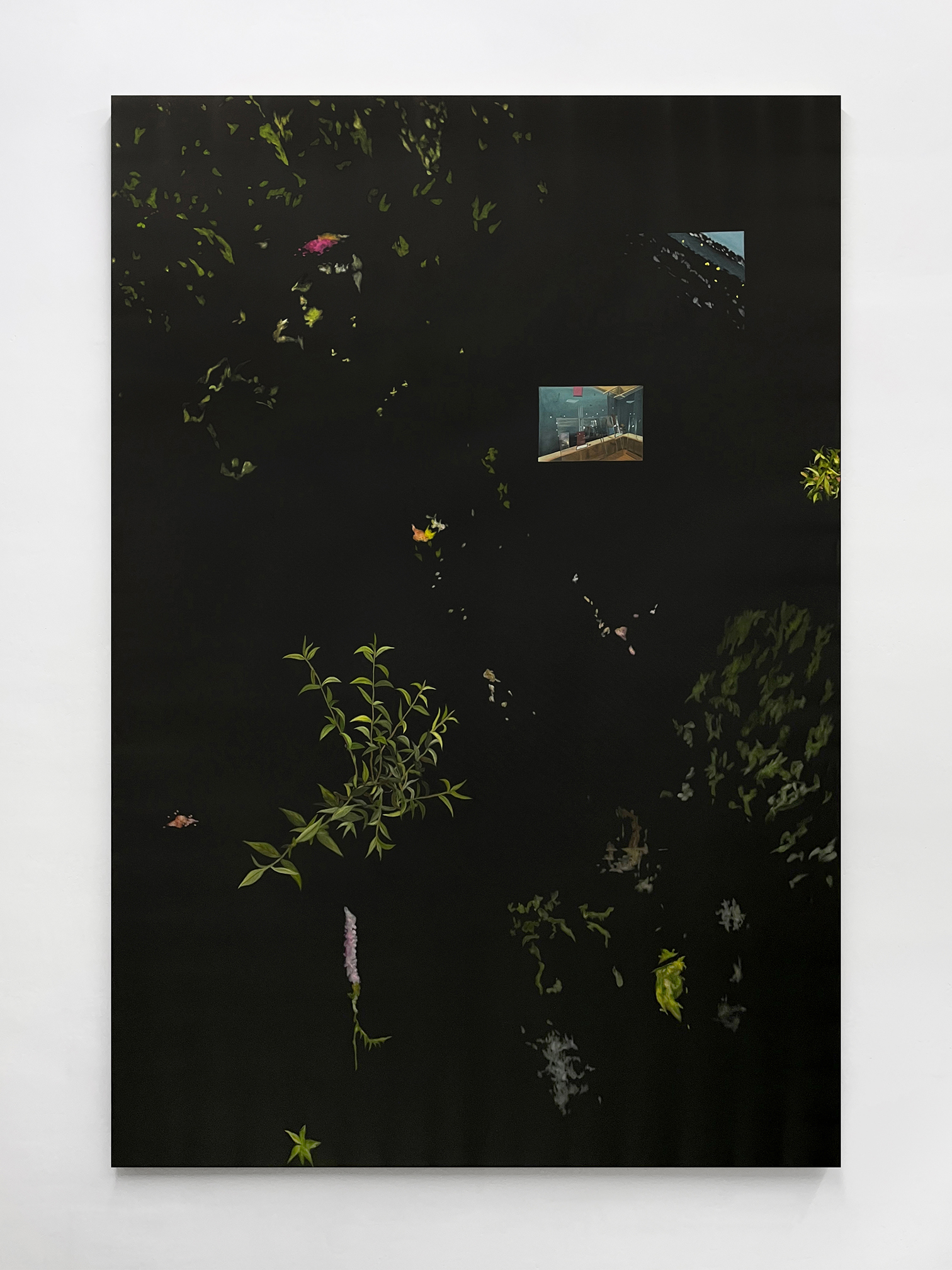
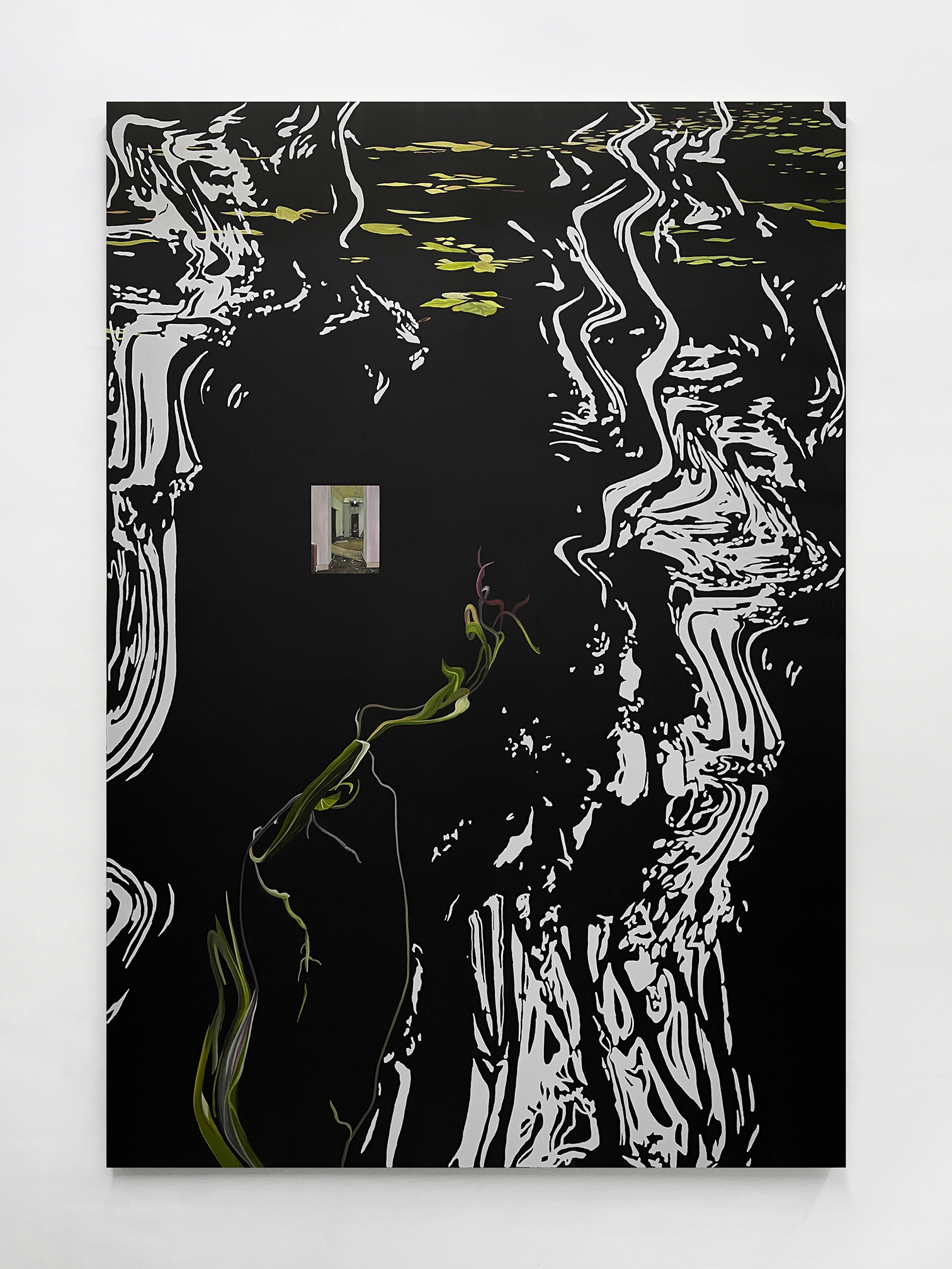
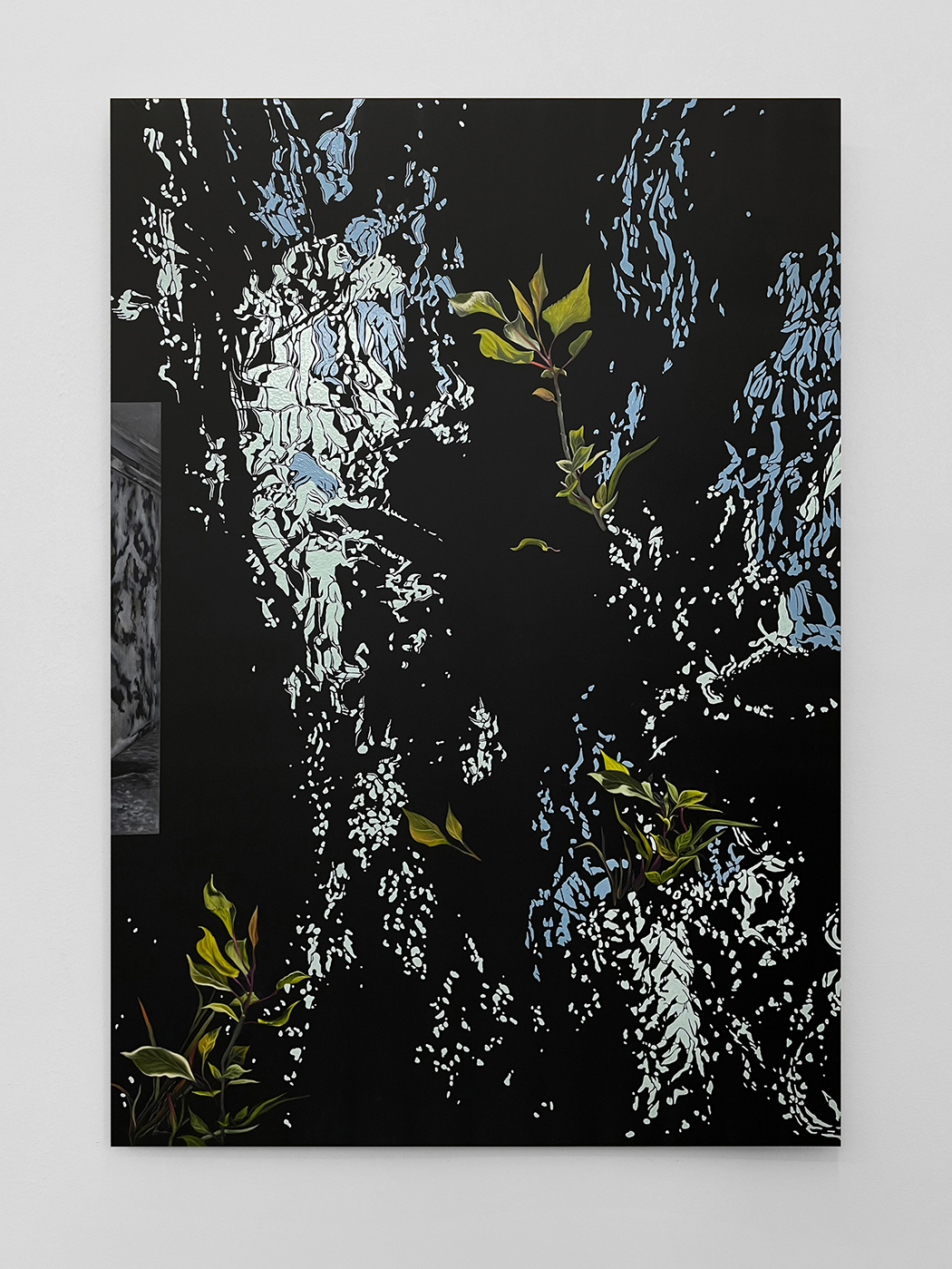


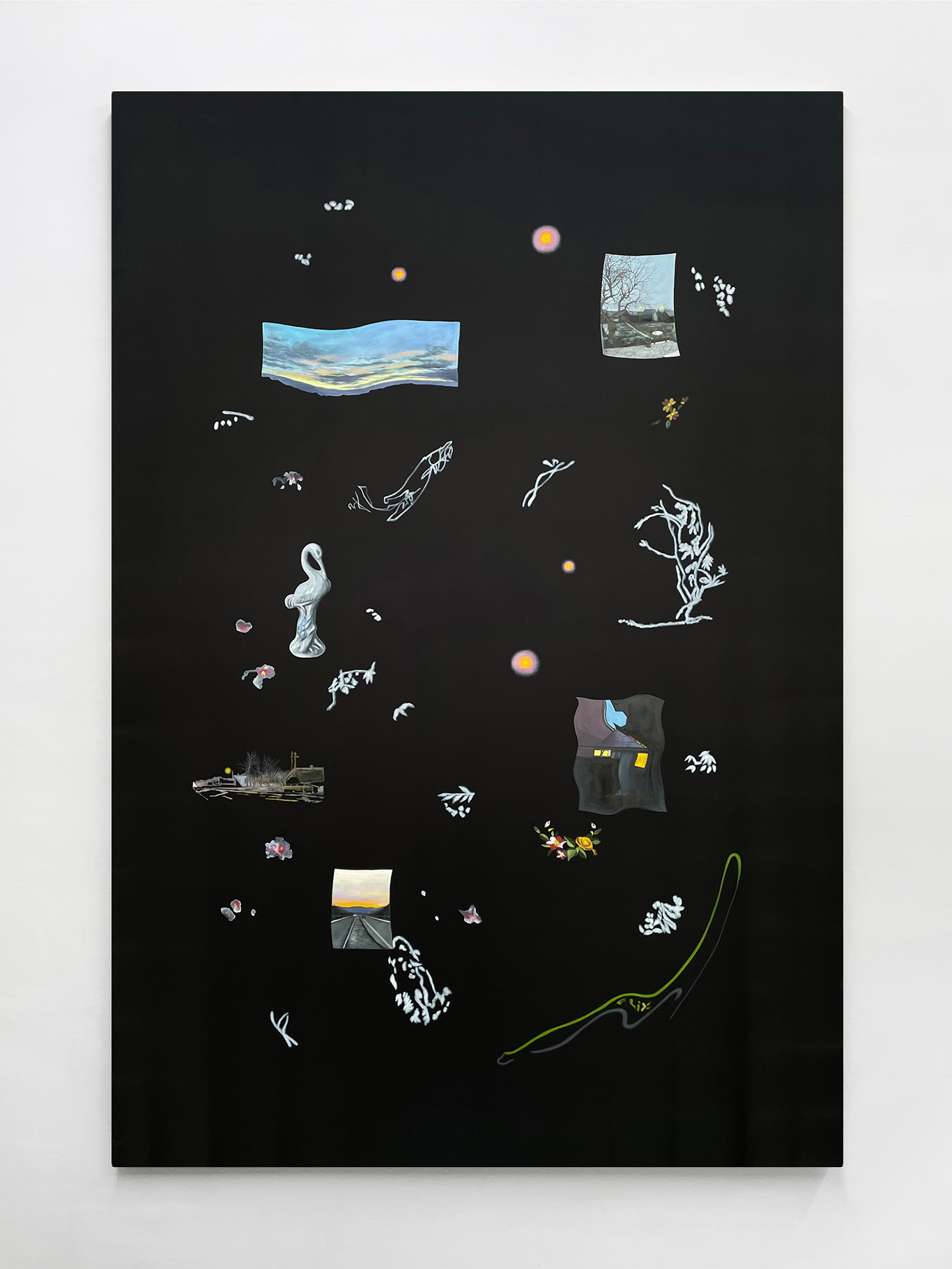
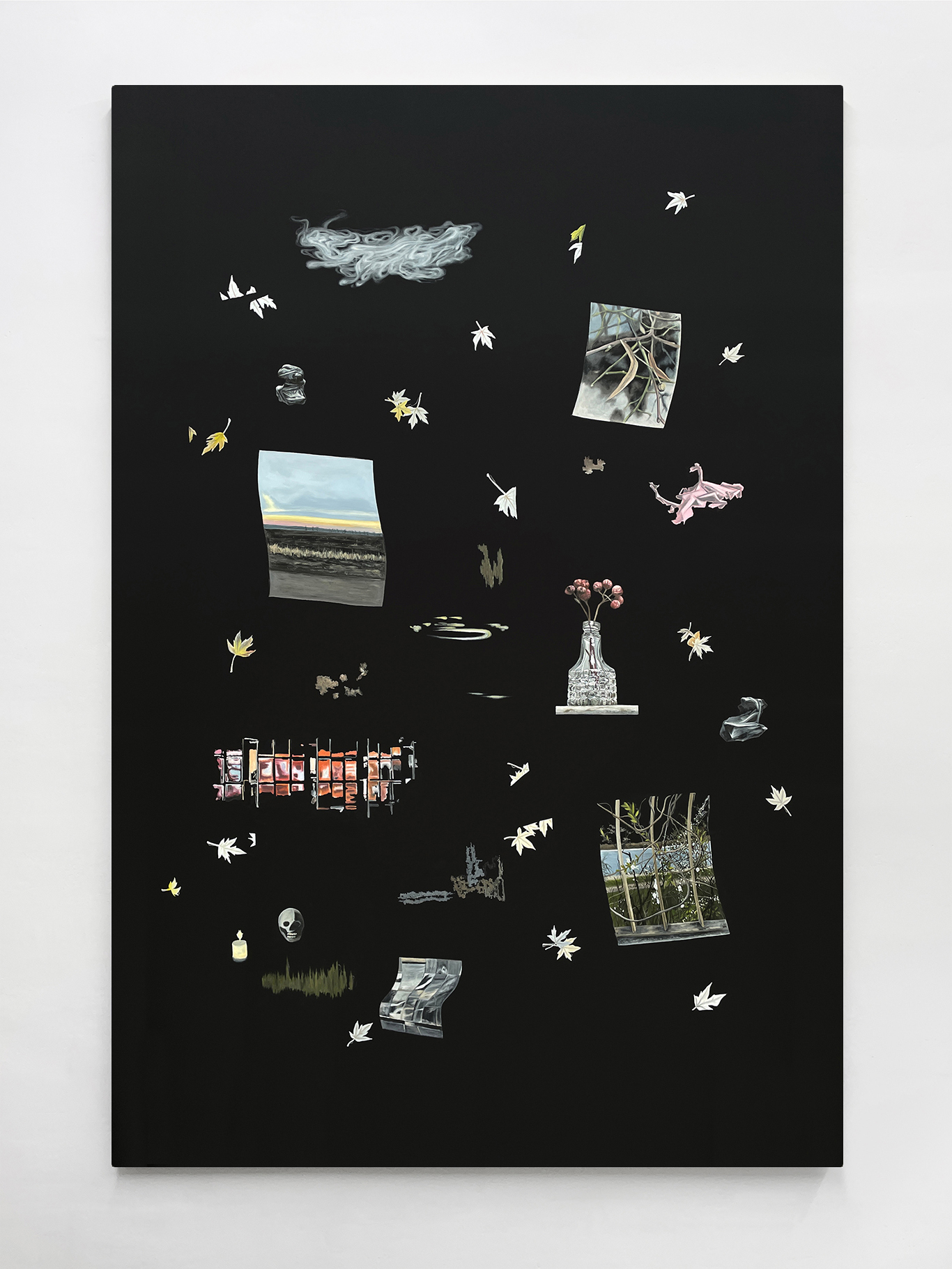
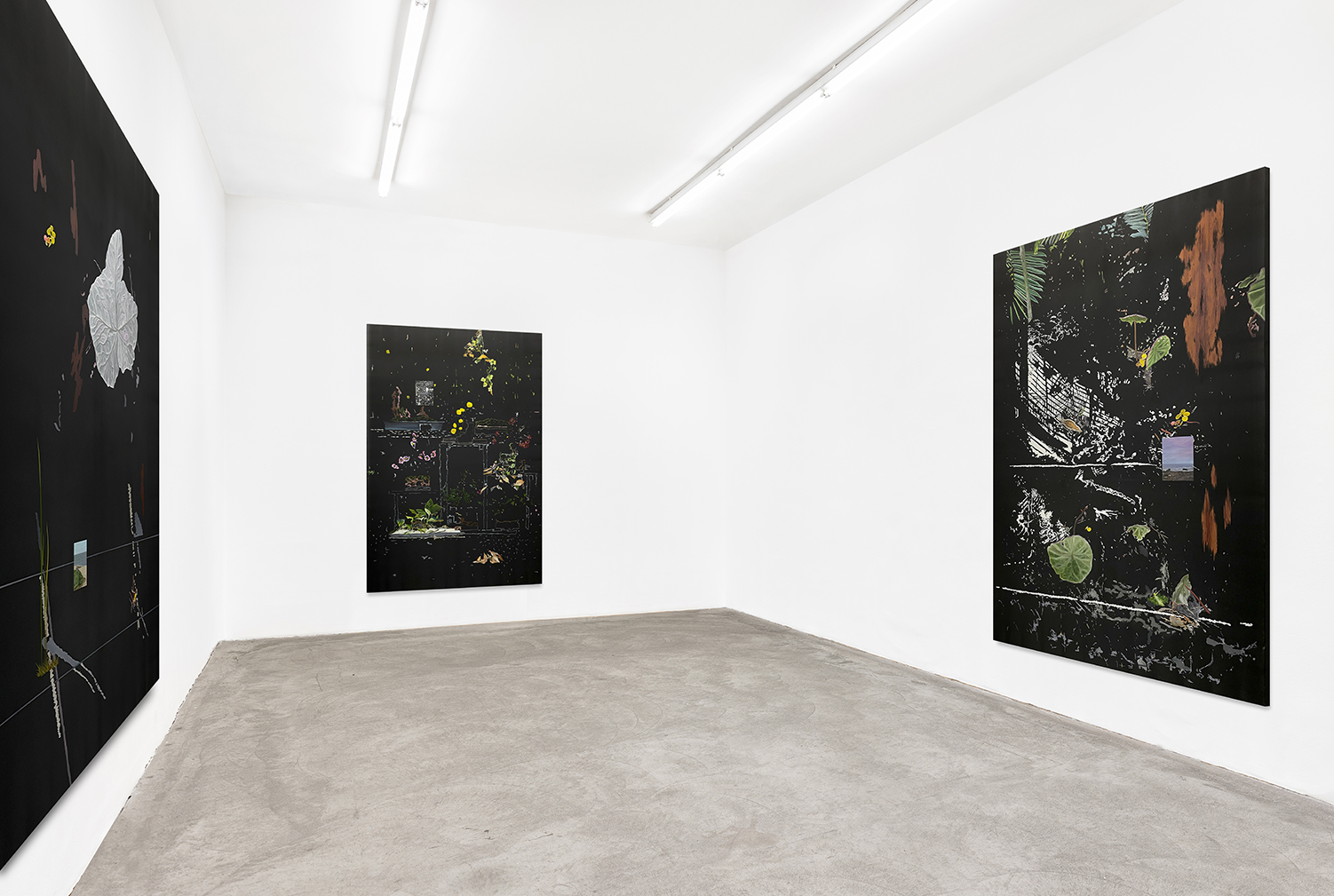
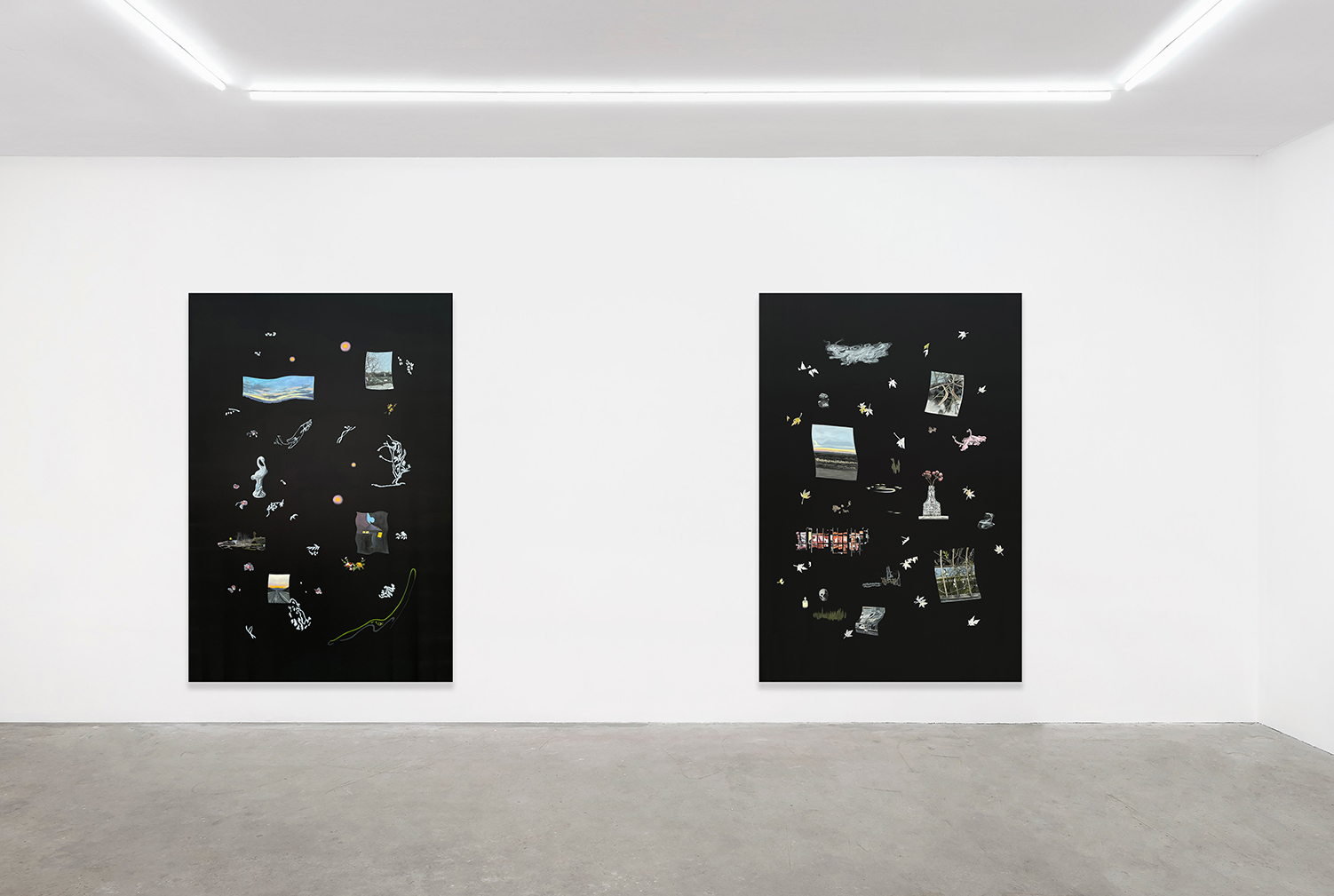
From the cycle of works - Hard to Describe
Since the beginning of the full-scale invasion of Russian troops into Ukraine, the lives of many Ukrainians have changed drastically. I spent the first year in Ukraine until late autumn when Russia started attacking the energy system to freeze us in winter. This made work impossible, and I made the difficult decision to leave. Moving is a new stage in life that inevitably requires reflection. Living in a new reality and finding myself in the new context it is exceedingly difficult to continue doing what I did before without changing the perspective. An internal conflict arises, based on the desire to continue painting, which has organically crystallised through years of practice, and on the other hand, the need to create works about the events in my country. As a result, the issue of choice became the main theme and object of representation in my current work.
The cycle of works "Hard to Describe" includes three series: "When You Wanted Unpredictability and Finally Got It," "Fragments of Daily Life," and "Irrelevant Archive." These large-format works are created with oil and acrylic on canvas, narrate contemporary circumstances and the irreversible changes in life caused by war. It includes several thematic series that touch on current issues of displacement, integration, culture, and memory from different perspectives. I largely rely on my own visual travel diary, where fragments of daily reality and current reports and news from Ukraine come together.
The process of relocating people to other countries undoubtedly impacts societal changes in those countries, but it also affects the people who move. As a forcibly displaced person, I try to make sense of the current moment and modern perspectives. Using my phone's camera, I capture the new culture, selecting symbols related to displacement and assimilation, which serve as markers for study and orientation in this context. This flow of images is regularly interspersed with daily news from my country, which I document through screenshots. They concern important topics such as: changing architecture and landscape; the loss of cultural heritage destroyed or stolen by the Russian army; decommunization processes leading to the toppling of monuments and strange attempts to erase history; loss of housing, and so on.
The cycle of works "Hard to Describe" includes three series: "When You Wanted Unpredictability and Finally Got It," "Fragments of Daily Life," and "Irrelevant Archive." These large-format works are created with oil and acrylic on canvas, narrate contemporary circumstances and the irreversible changes in life caused by war. It includes several thematic series that touch on current issues of displacement, integration, culture, and memory from different perspectives. I largely rely on my own visual travel diary, where fragments of daily reality and current reports and news from Ukraine come together.
The process of relocating people to other countries undoubtedly impacts societal changes in those countries, but it also affects the people who move. As a forcibly displaced person, I try to make sense of the current moment and modern perspectives. Using my phone's camera, I capture the new culture, selecting symbols related to displacement and assimilation, which serve as markers for study and orientation in this context. This flow of images is regularly interspersed with daily news from my country, which I document through screenshots. They concern important topics such as: changing architecture and landscape; the loss of cultural heritage destroyed or stolen by the Russian army; decommunization processes leading to the toppling of monuments and strange attempts to erase history; loss of housing, and so on.
This mixed quasi-stream of images I use as a visual algorithm on which the dramaturgy of my works is built.
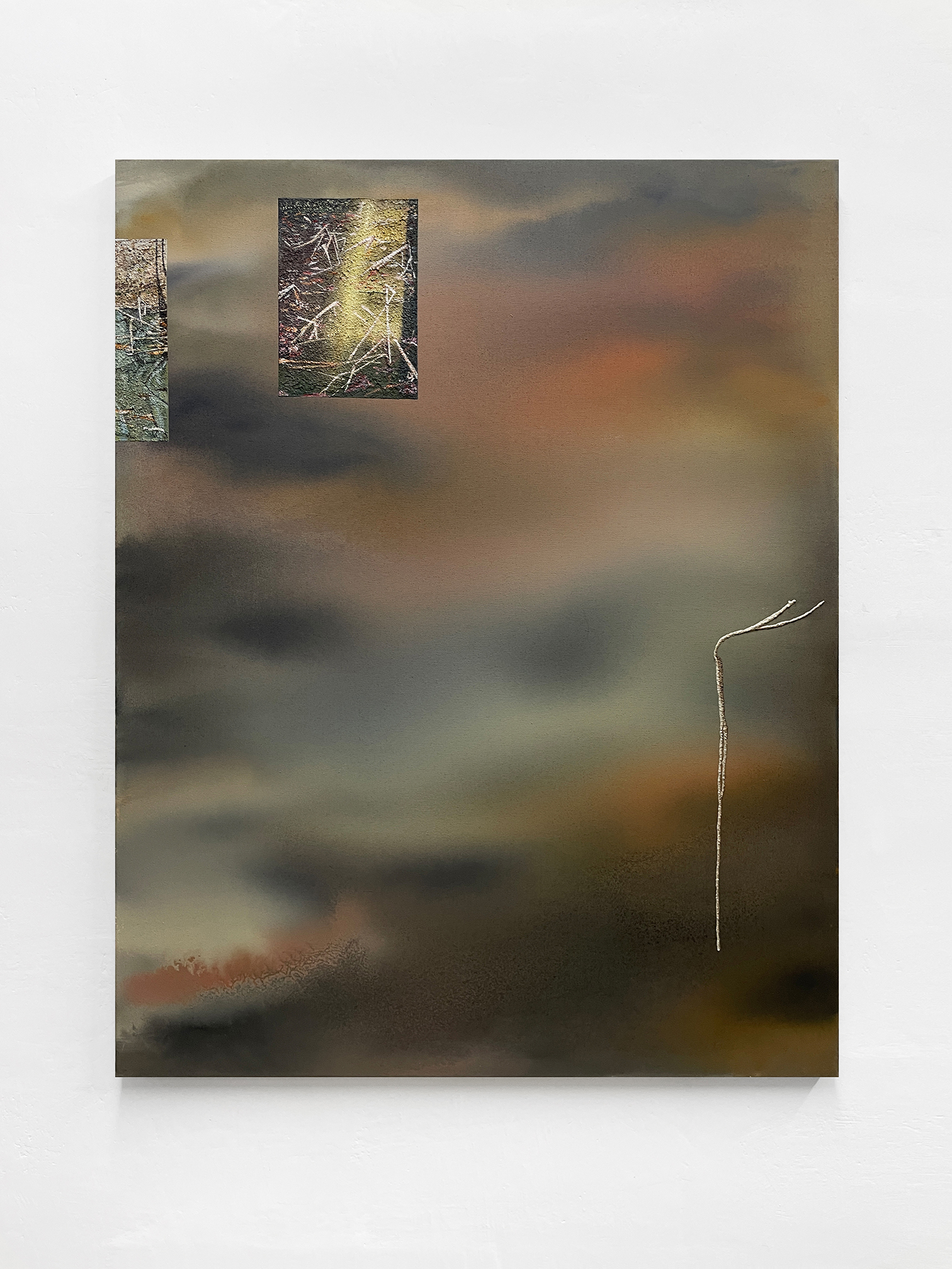
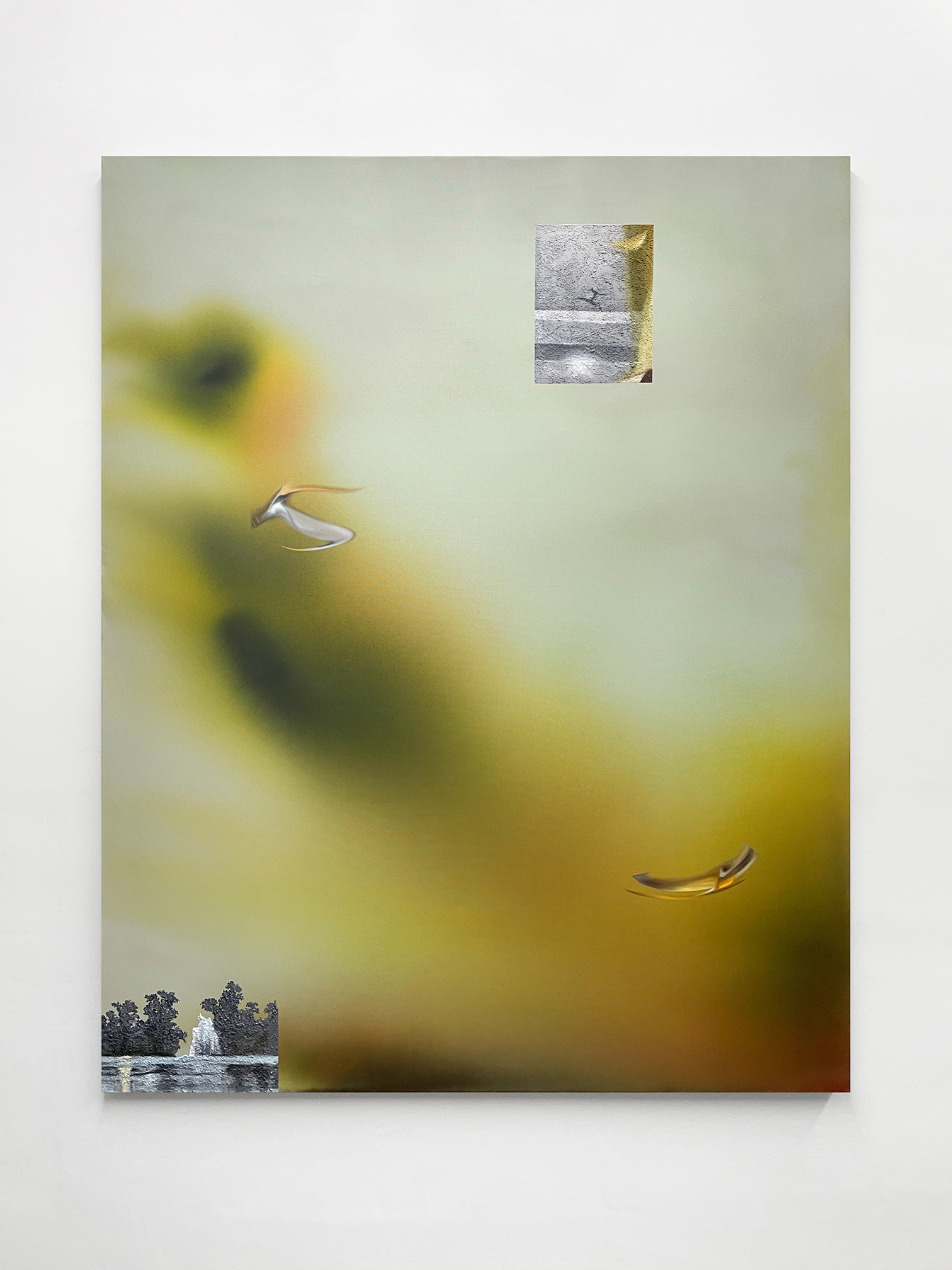
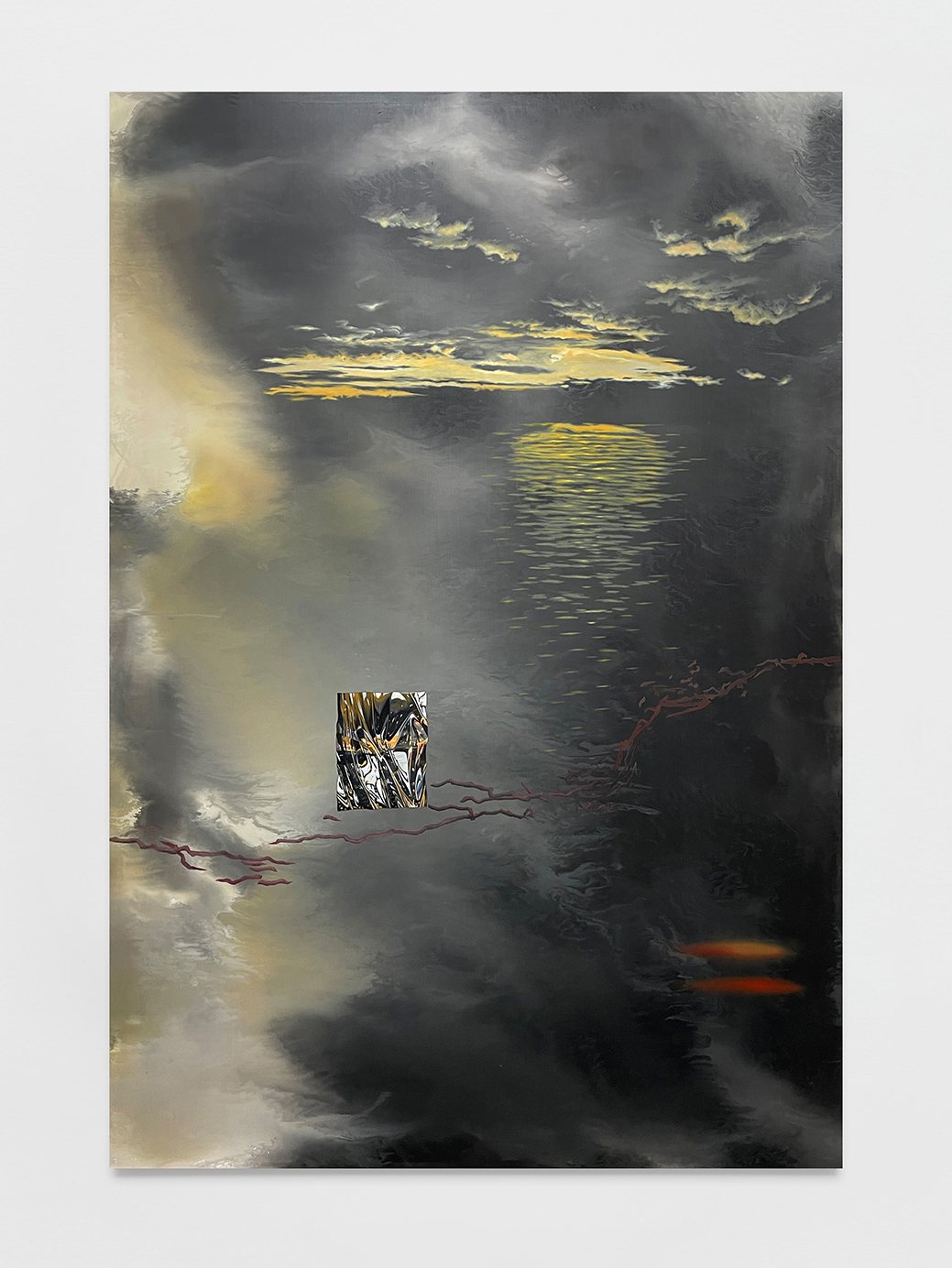
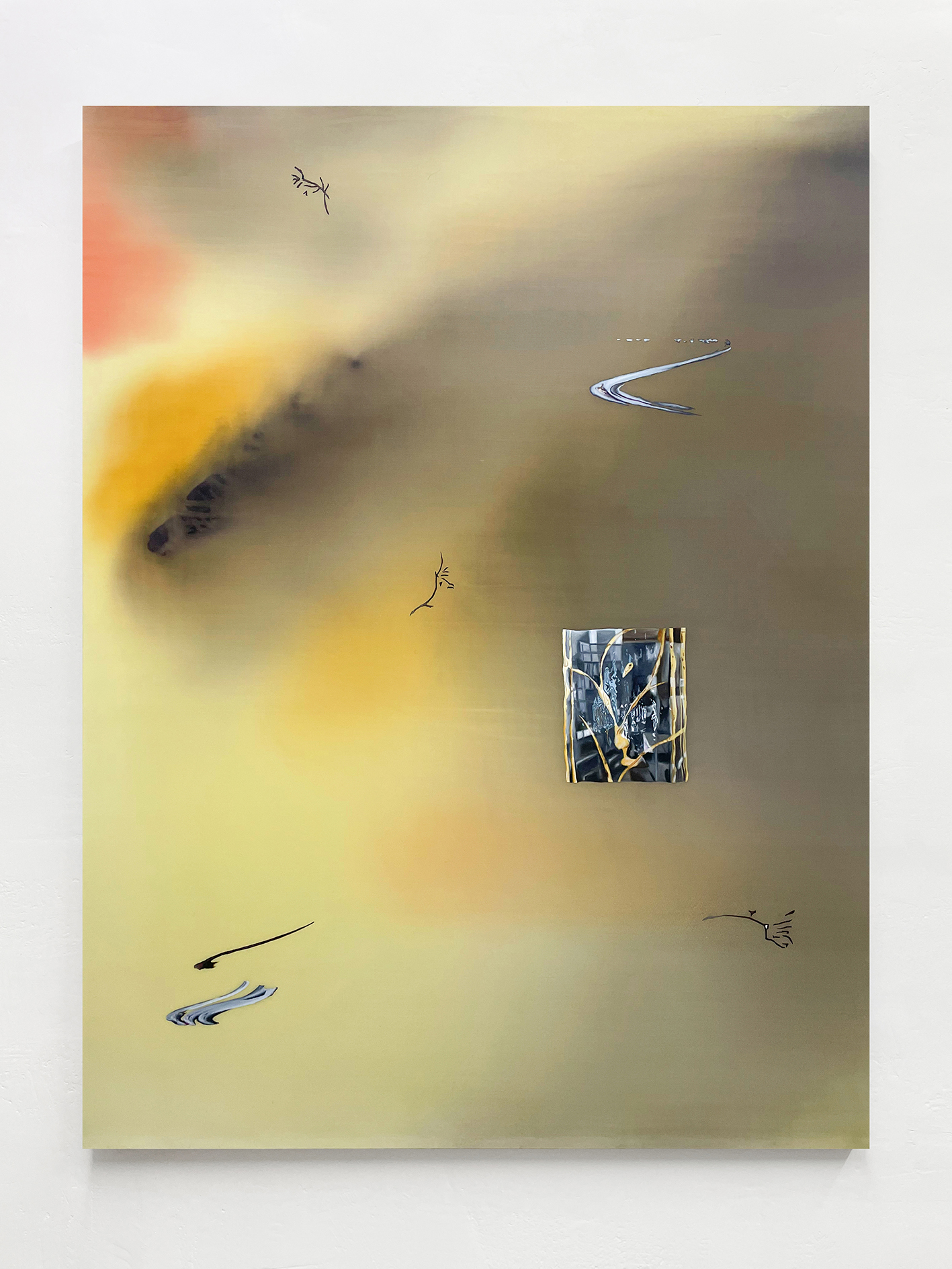
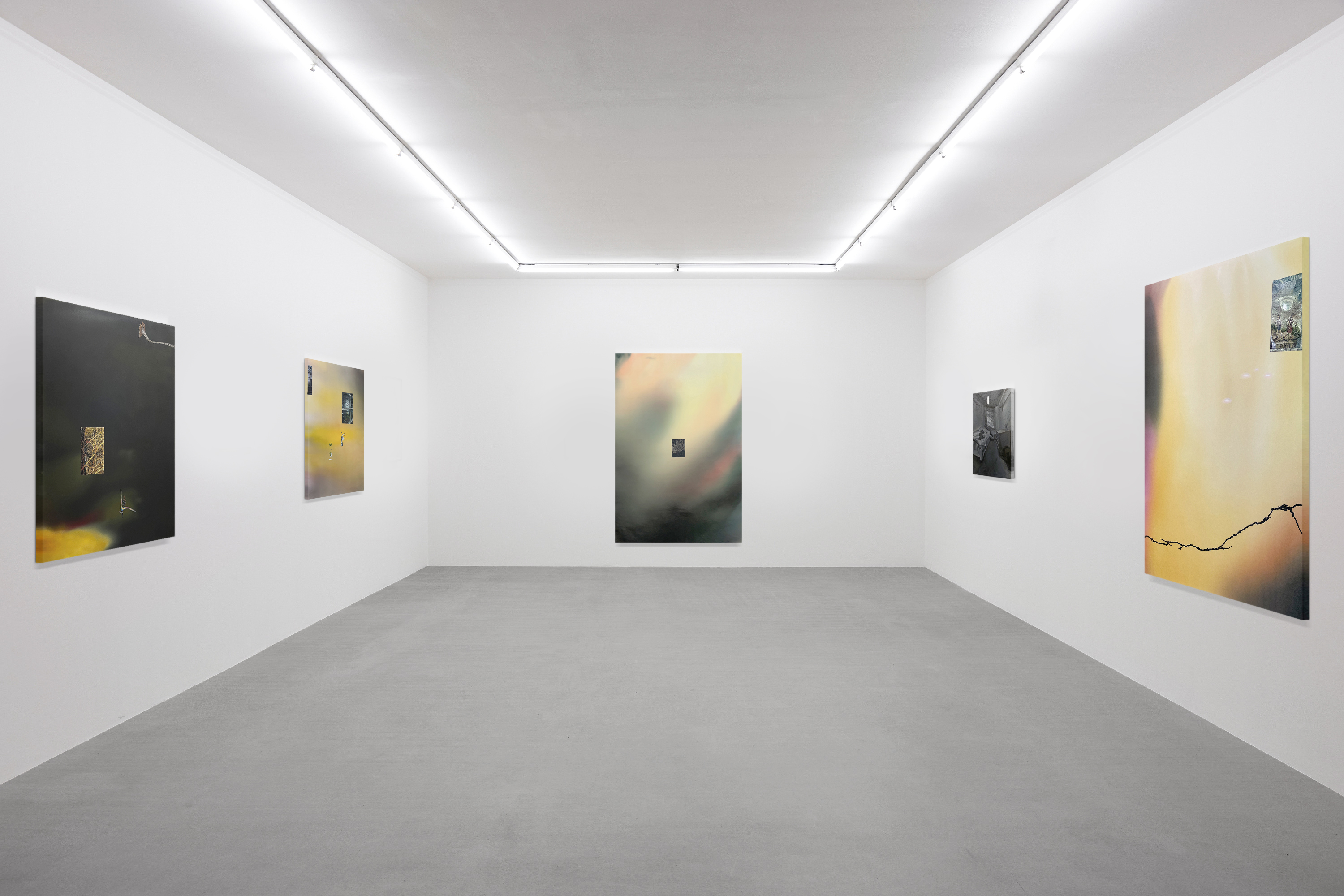
Isolated, torn-out frames appear on the canvas like flashes in our memory. Each individual element holds the potential for a certain story to develop. Their chaotic arrangement refers to the disintegration after explosions, forming a polyphonic narrative that balances between everyday personal experiences and socially significant changes. These details of a new, unformed reality freeze against an often blank or abstract background of the canvas, reflecting the uncertainty and complexity of envisioning future developments.
Due to my interest in a multifaceted approach to the subject and its representation, the series develops the idea of a broad perspective on the issues of war and displaced people, aiming to provide a comprehensive view of the situation. Through the large number of combined, intertwined, and overlapping elements, this "Kafkaesque" narrative becomes quite complex and sometimes impossible to grasp, which is reflected in the title of the series, Hard to Tell.
Regarding the visual aspect, I want to achieve an effect where such a traditional medium as painting is endowed with the modesty and sense of new energy. What I seek from a painting is an ideologically and visually rich lightness.
Isolated, torn-out frames appear on the canvas like flashes in our memory. Each individual element holds the potential for a certain story to develop. Their chaotic arrangement refers to the disintegration after explosions, forming a polyphonic narrative that balances between everyday personal experiences and socially significant changes. These details of a new, unformed reality freeze against an often blank or abstract background of the canvas, reflecting the uncertainty and complexity of envisioning future developments.
Due to my interest in a multifaceted approach to the subject and its representation, the series develops the idea of a broad perspective on the issues of war and displaced people, aiming to provide a comprehensive view of the situation. Through the large number of combined, intertwined, and overlapping elements, this "Kafkaesque" narrative becomes quite complex and sometimes impossible to grasp, which is reflected in the title of the series, Hard to Tell.
Regarding the visual aspect, I want to achieve an effect where such a traditional medium as painting is endowed with the modesty and sense of new energy. What I seek from a painting is an ideologically and visually rich lightness.
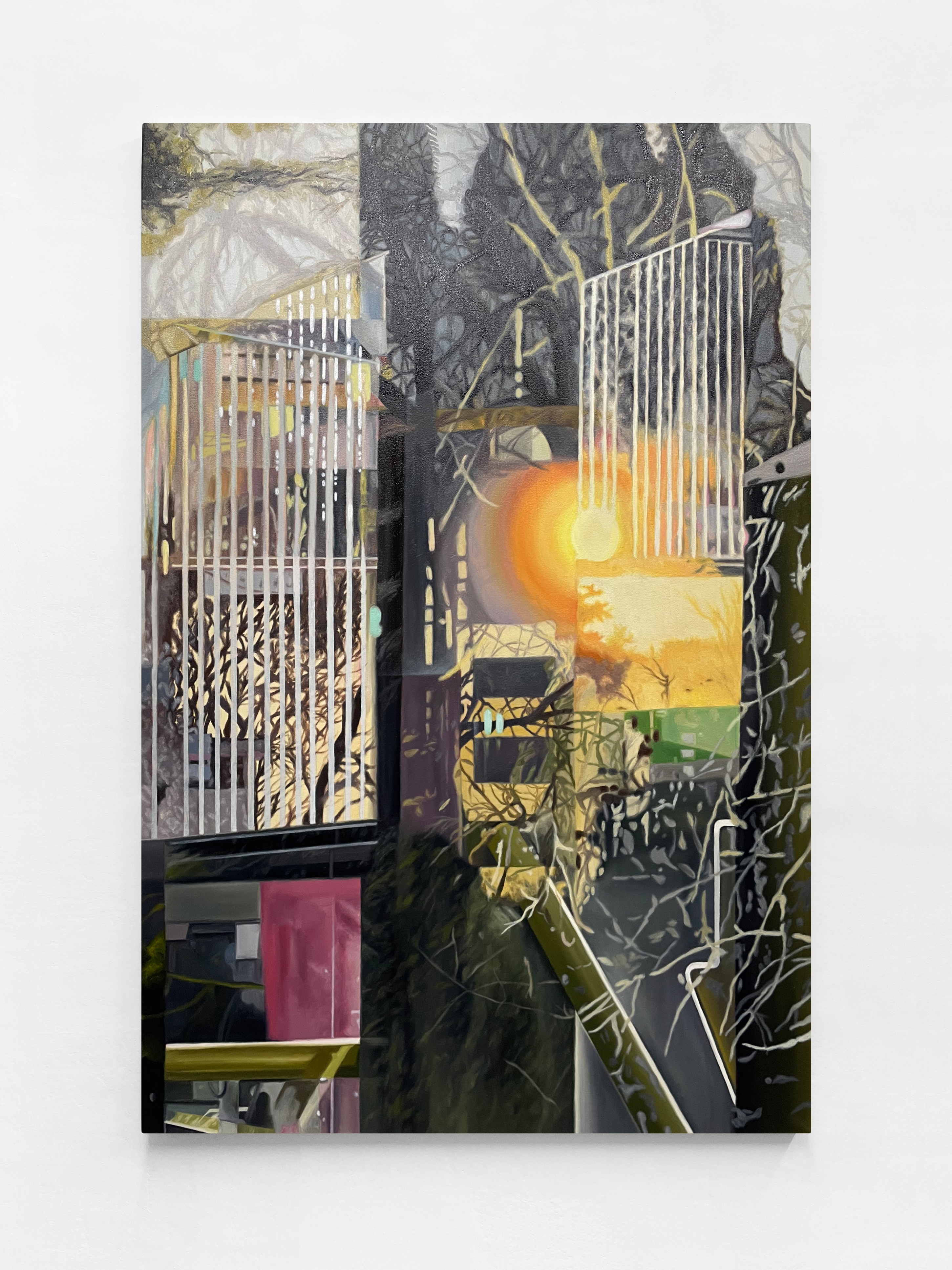
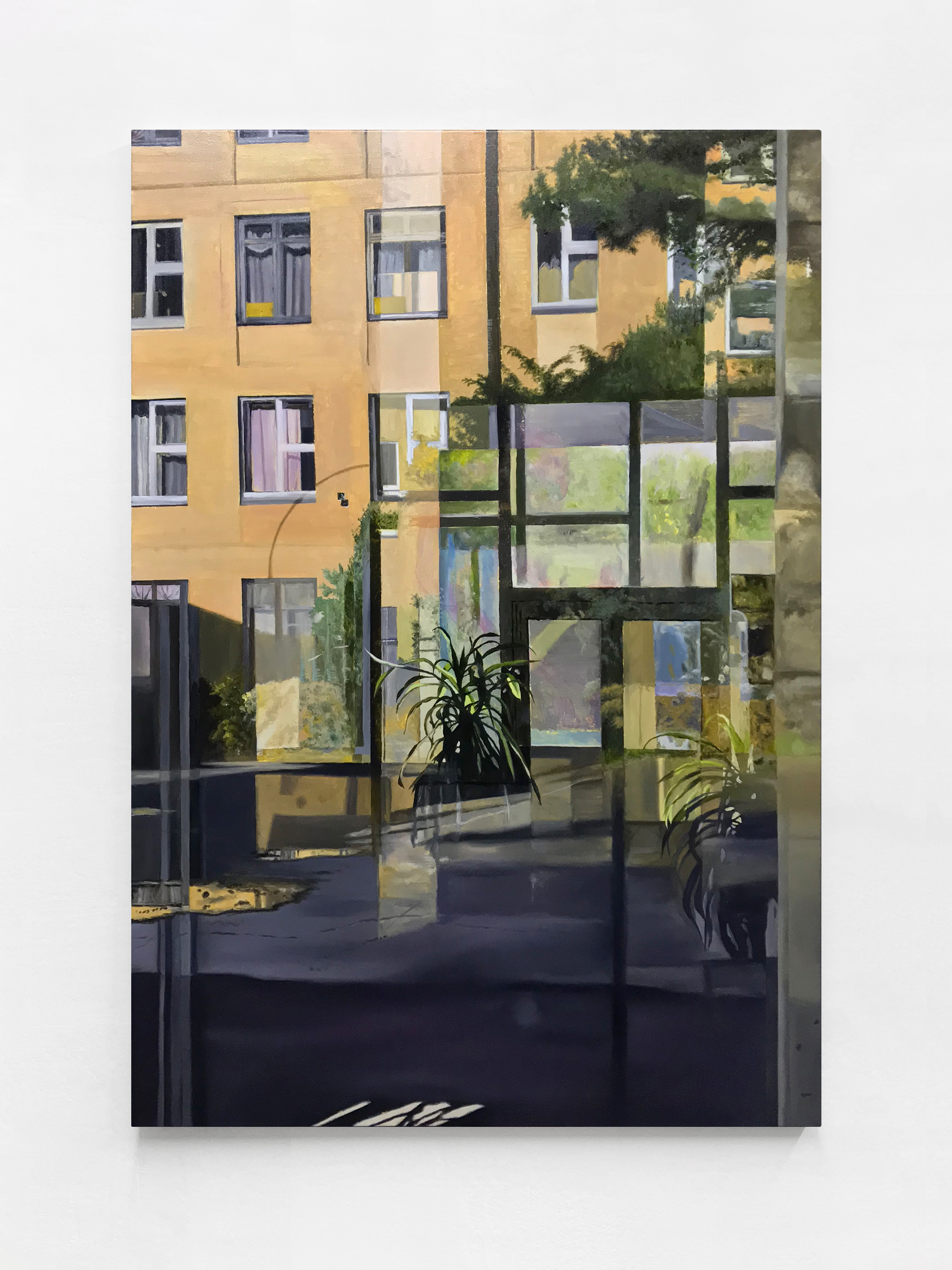
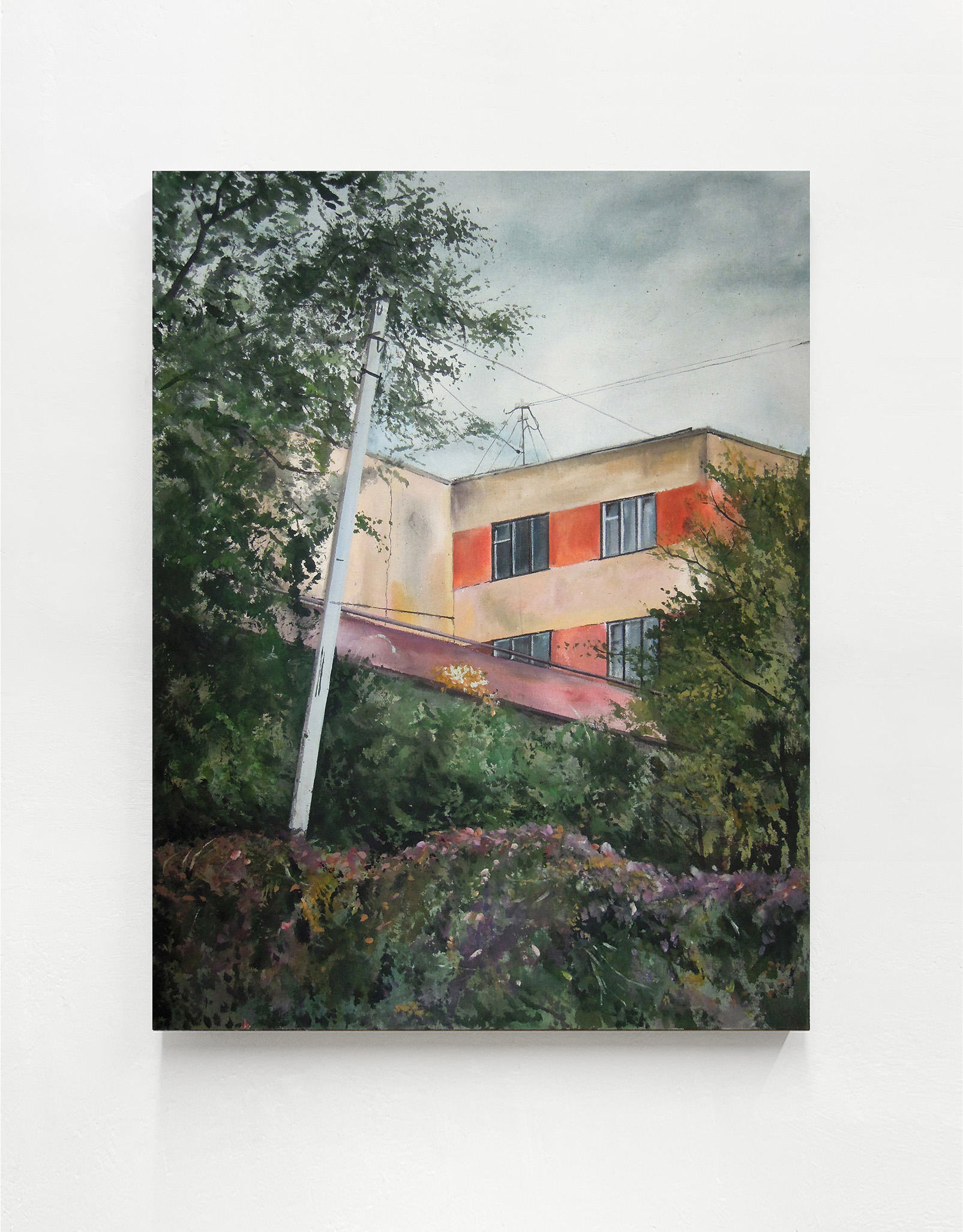
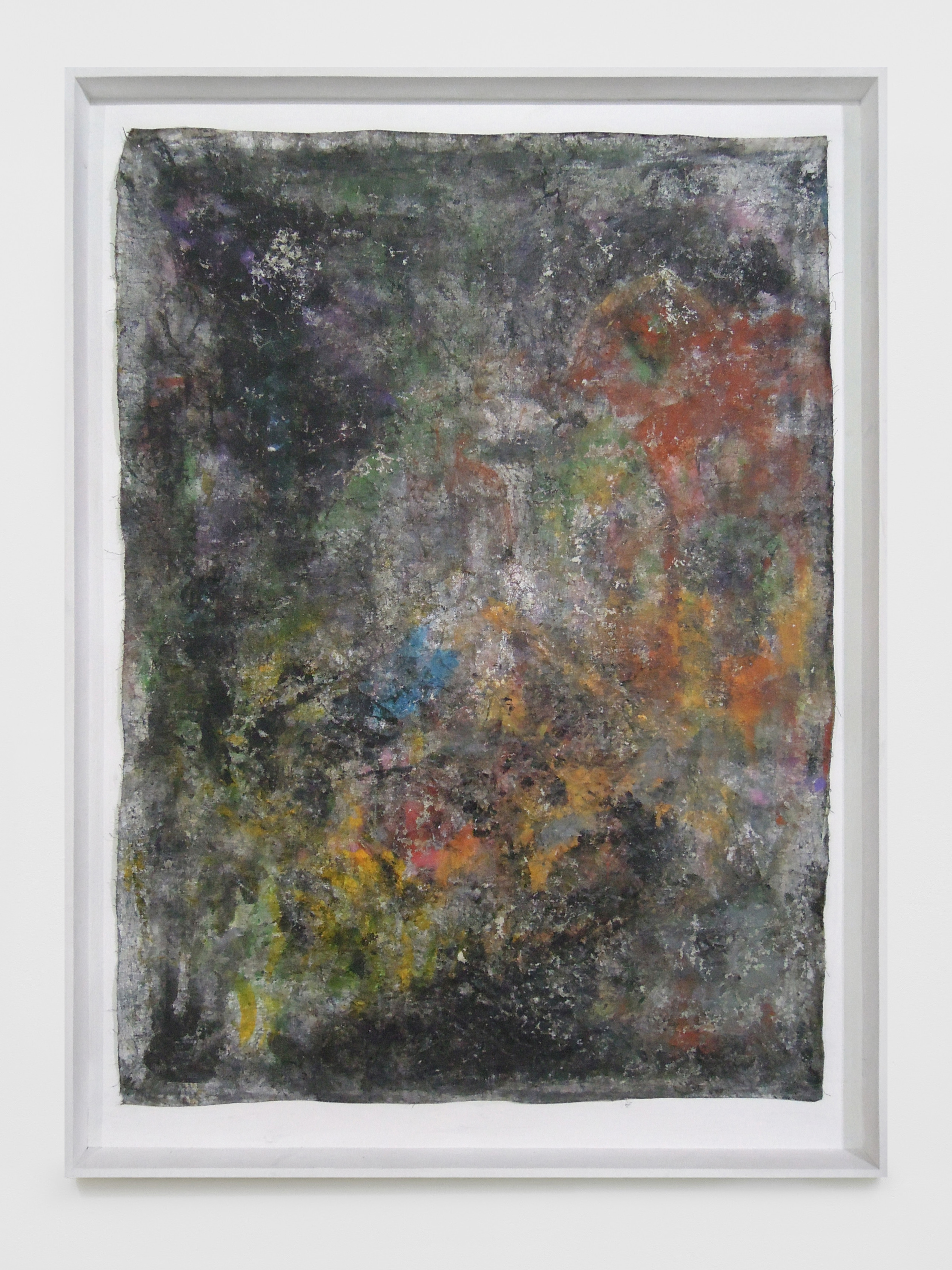
In 2004 the widow of an artist cheaply sold materials her husband. I bought a primed canvas from her. After some time I started to work on this canvas. Among the artists, the practice of repaint works, for economic canvas, is widespread, so for some time, I painted another layer on the top, and it lasted for about ten years. During this time, I was not able to create on it, something, that I would consider worthy to hold. Because of the reflections on previous history of this canvas, the impossibility of completing and the numerous layers of paint, I decided to try to wipe the layers and demonstrate the impossibility of completion.